Lawn Fungus Control in Billings: Stop Summer Damage Early
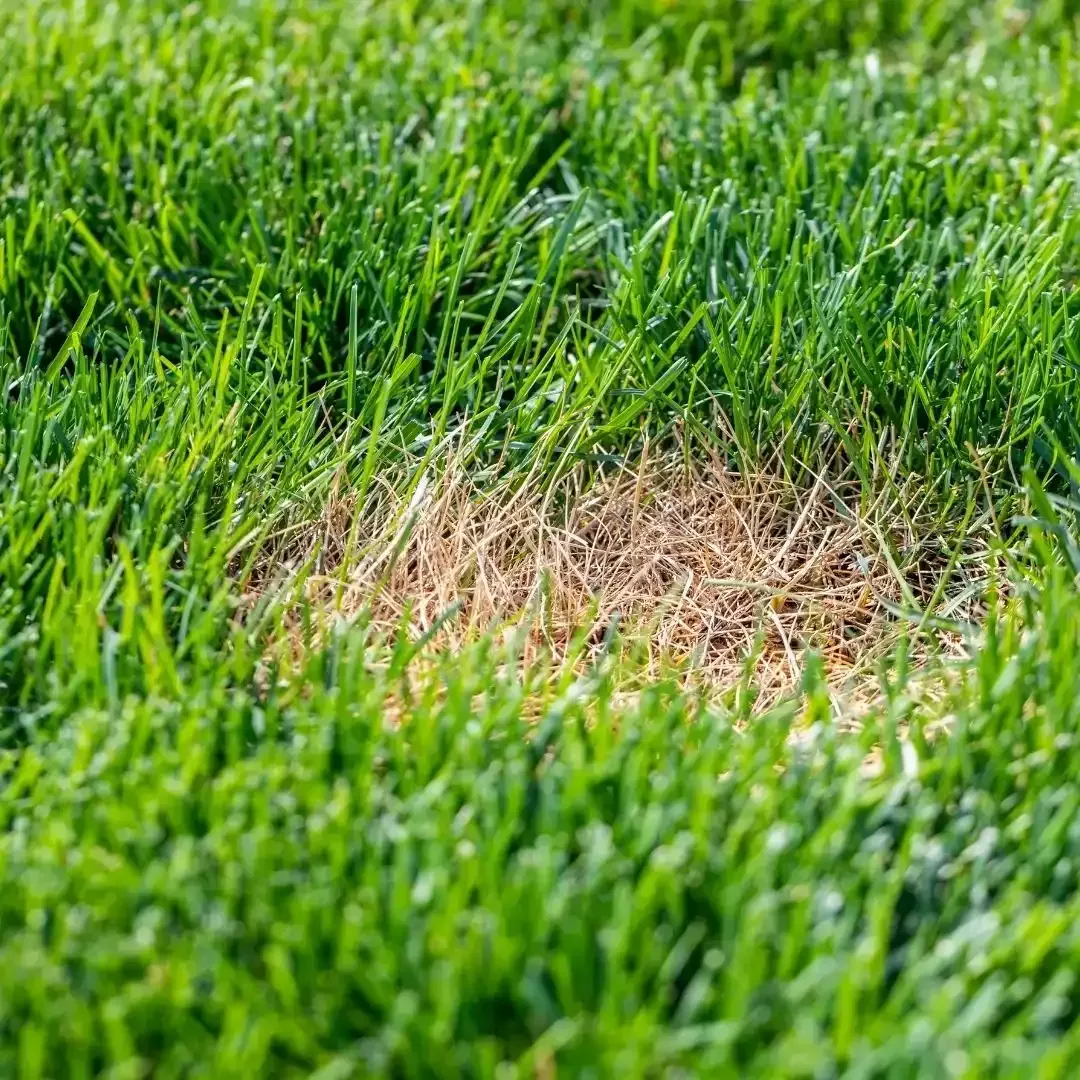
Brown patches that appear in July may have started weeks earlier, while your grass still looked green. In some fungal diseases, summer heat does not cause the original damage—it exposes turf that was already weakened during cooler, wetter conditions.
However, fungus is not the only possible cause of summer browning. Drought, uneven irrigation, insects, pet damage, compaction, and mowing stress can create similar symptoms. Effective lawn fungus control starts by identifying the real problem before choosing a treatment.
At Green Magic, we help Billings-area homeowners determine whether their lawn is dealing with disease, watering problems, insects, poor soil conditions, or a combination of stresses.
Key Takeaways for Preventing Lawn Fungus Damage in Billings
- Some fungal diseases damage grass before obvious summer symptoms appear.
- Brown grass does not automatically mean fungus.
- Overwatering, wet grass overnight, excessive nitrogen, thick thatch, and compacted soil can increase disease pressure.
- Fungicide timing depends on the specific disease and is often most useful before severe turf loss.
- Long-term control combines accurate diagnosis, targeted treatment, proper watering, mowing, nutrition, and soil improvement.
Why Lawn Fungus Can Become a Problem in Billings
Lawn fungus can develop in Billings even though our overall climate is relatively dry. Irrigation, spring moisture, heavy dew, shade, compacted soil, and poor drainage can keep turf wet long enough for fungal diseases to become active.
Billings weather can also change quickly. Cool, damp spring conditions may be followed by hot, dry, and windy summer weather. Diseases such as necrotic ring spot can damage roots and crowns before the lawn develops obvious ring-shaped symptoms.
Colorado State University Extension explains that visible necrotic ring spot symptoms often appear during hot weather because damaged roots cannot supply enough water to the grass. Summer stress reveals the earlier injury, but that pattern does not apply to every brown patch or every fungal disease.
Learn more about fungal diseases found in local lawns, including necrotic ring spot, melting out, and snow mold.
Common Lawn Fungal Diseases and Their Signs
The pattern of the damage can provide clues about what is happening. However, an on-site diagnosis is more reliable than selecting a treatment from appearance alone.
| Possible Problem | What You May Notice | Typical Timing |
|---|---|---|
| Necrotic ring spot | Circular or ring-shaped dead patches, sometimes with green centers | Often becomes visible in summer |
| Leaf spot or melting out | Dark blade lesions followed by thinning or irregular dead areas | Spring through early summer |
| Snow mold | Matted, straw-colored patches after snowmelt | Early spring |
| Irrigation or drought stress | Dry patches that follow sprinkler coverage or exposed areas | Hot, windy weather |
| Insect or pet damage | Irregular thinning, loose turf, digging, or concentrated spots | Varies |
Leaf spot treatment is generally most useful before the disease progresses into advanced melting out. Once the lawn is severely thinned, recovery may depend more on healthy regrowth, overseeding, or turf repair than on a late fungicide application.
Early Warning Signs to Watch For
Check suspicious areas before they spread or become severely damaged. Walking your lawn in the morning can make blade lesions and matted growth easier to see.
Look for:
- Small yellow, tan, or reddish patches that continue expanding
- Rings or arcs with healthier grass in the center
- Dark brown, reddish, or purple lesions on grass blades
- Matted grass or fuzzy growth near the soil surface
- Areas that stay wet longer than the rest of the lawn
- Damage that returns in the same location each year
- Patches that do not improve after sprinkler adjustments
Do not diagnose fungus from color alone. Green Magic’s plant health diagnosis and consultation service can help distinguish disease from insects, irrigation problems, soil conditions, and other types of lawn stress.
How Thatch and Compaction Affect Lawn Disease
Heavy thatch and compacted soil can increase lawn stress and create conditions that allow some fungal diseases to become more severe. Correcting these problems helps roots receive the air, water, and nutrients they need.
Thatch is the layer of dead and living organic material between the green grass and the soil. A thin layer is normal, but excessive buildup can hold moisture near the crown of the plant and interfere with water movement.
Compacted soil creates a different problem. Water may run off, collect in low areas, or fail to reach the deeper root zone. The grass then develops shallow roots and becomes more vulnerable during hot weather.
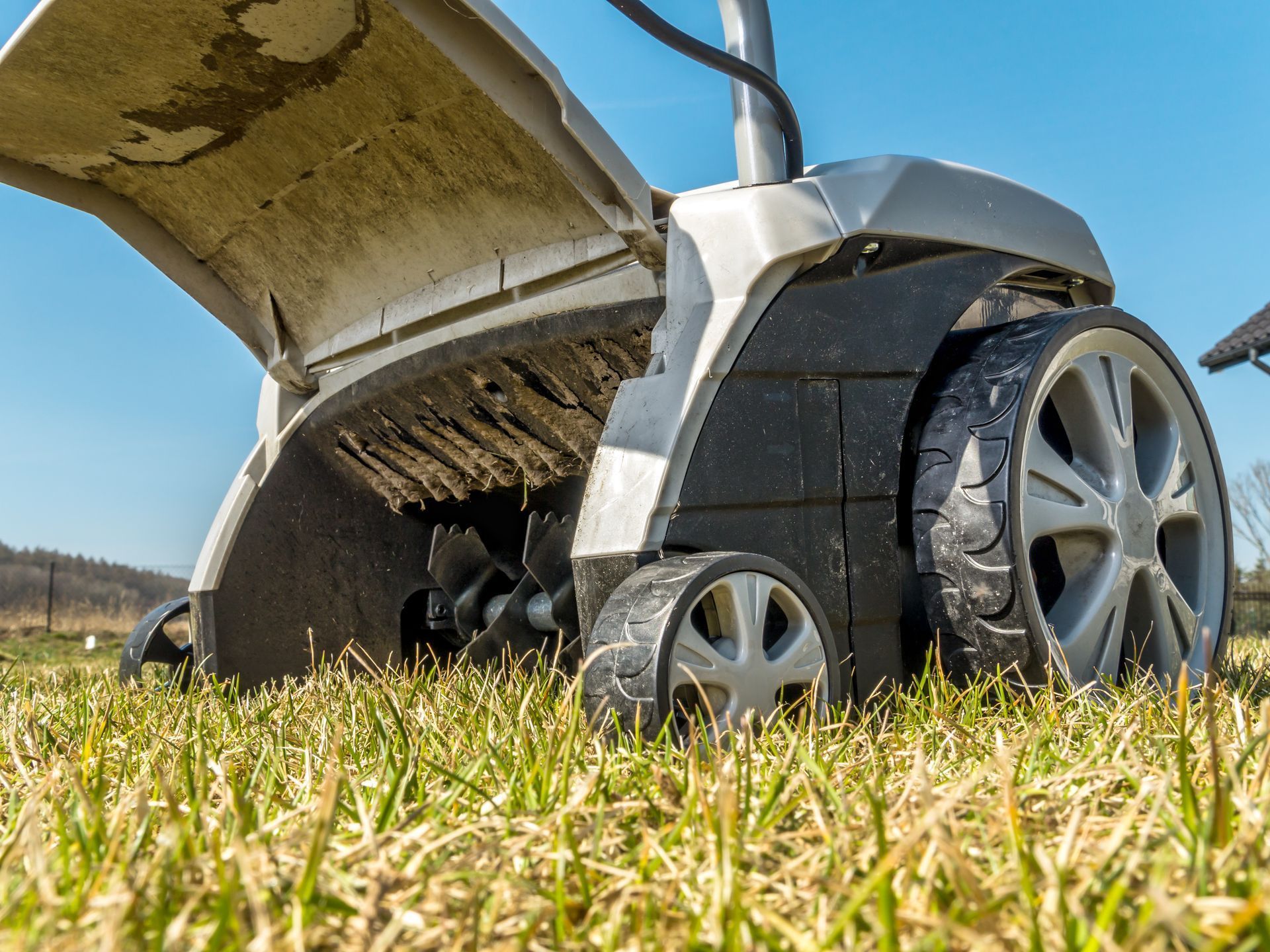
Professional core aeration services can improve air, water, and nutrient movement when soil compaction contributes to poor lawn health.
Watering and Mowing Habits That Reduce Disease Pressure
Proper watering and mowing can reduce lawn stress and make conditions less favorable for fungal growth. The goal is to water the root zone without keeping grass blades wet for long periods.
Follow these practical habits:
- Water early in the morning. This gives the grass time to dry during the day.
- Water deeply but less frequently. Avoid keeping the soil surface constantly wet.
- Check sprinkler coverage. One area may be soaked while another receives too little water.
- Avoid routine evening watering. Grass that stays wet overnight may face greater disease pressure.
- Use a sharp mower blade. Torn grass is more vulnerable to stress and disease.
- Avoid cutting too short. Kentucky bluegrass generally performs well at approximately 2½ to 3 inches.
- Follow the ⅓ rule. Do not remove more than one-third of the grass blade in a single mowing.
A Practical Lawn Fungus Control Plan
Effective lawn fungus control combines
accurate diagnosis with corrections to the conditions helping the problem develop. Fungicide alone cannot solve chronic overwatering, poor drainage, compaction, excessive thatch, or improper mowing.
1. Identify the Actual Cause
We begin by examining the patch pattern, individual grass blades, roots, soil moisture, irrigation coverage, shade, thatch, and disease history.
This helps prevent you from spending time and money treating drought stress, insects, or pet damage as a fungal infection.
2. Correct Contributing Conditions
Adjust irrigation, improve drainage, sharpen mower blades, reduce excessive thatch, and relieve compaction when needed.
Fertilizer timing also matters. Heavy applications of fast-release nitrogen can produce soft, rapid growth and may worsen certain diseases. When spring feeding is appropriate, a measured or slow-release approach is often safer than pushing the lawn to grow quickly.
3. Apply Fungicide When Appropriate
Fungicide should be selected according to the disease, treatment timing, weather, and lawn history. A product that works for one fungal disease may not be appropriate for another.
Preventive treatment may make sense when a lawn has a confirmed disease that returns in the same areas each year. Early curative treatment may help certain active outbreaks, but fungicide cannot restore grass that is already dead.
Green Magic’s lawn fungicide treatment is planned around the lawn’s symptoms, seasonal conditions, stress level, and recurrence risk.
4. Help the Lawn Recover
After the disease is under control, badly thinned or dead sections may need raking, overseeding, or repair. Proper nutrition, irrigation management, weed control, and continued monitoring help the lawn fill back in.
Explore our broader lawn care services when the problem involves multiple issues rather than fungus alone.
Can Better Soil Health Reduce Recurring Problems?
Improving soil conditions can reduce stress and help the lawn recover more effectively. However, fertilizer, biological products, aeration, and soil amendments should support an overall disease-management plan rather than be presented as stand-alone cures.
A soil-first plan may include:
- Relieving compaction
- Improving drainage and water infiltration
- Applying fertilizer according to actual lawn needs
- Building stronger and deeper roots
- Overseeding severely damaged areas
- Monitoring patches that return each year
This approach addresses the conditions underneath the outbreak instead of relying only on repeated surface treatments.
When to Call a Lawn Care Professional
Professional help is useful when the damage is spreading, returning every year, or failing to improve after basic watering corrections. You should also request an inspection when you cannot tell whether the cause is fungus, drought, insects, or soil stress.
Green Magic has served the Billings area for more than 38 years. We can inspect the affected turf, explain what is causing the symptoms, and recommend a treatment plan based on your property.
Fungal symptoms on trees and shrubs require a different approach than turf disease. For spotted leaves, thinning needles, branch decline, or suspected pest damage, see our tree insect and fungus spraying services.
FAQs About Lawn Fungus Control
When is the best time for lawn fungus control in Billings?
The best timing depends on the disease, weather conditions, and your lawn’s history. Necrotic ring spot treatment is generally preventive, while leaf spot products are most useful before or shortly after early symptoms appear.
Can I treat lawn fungus myself?
You can improve watering, mowing, drainage, and fertilizer habits yourself. However, choosing a fungicide without identifying the disease may waste money or delay the correct treatment.
Does brown grass in summer always mean fungus?
No. Drought, uneven sprinkler coverage, compacted soil, insects, pet urine, chemical injury, and mowing stress can all cause brown patches. Check the blade symptoms, roots, soil moisture, and overall pattern before treating the area.
Does aeration help prevent lawn fungus?
Aeration can help when soil compaction, poor water infiltration, or heavy thatch is contributing to lawn stress. It does not cure every disease, but it can improve the growing conditions grass needs to remain healthy and recover.
Will fungicide make dead grass green again?
No. Fungicide may protect living turf or slow a correctly diagnosed disease, but it cannot revive dead grass. Severely damaged areas may require regrowth, overseeding, or turf repair.
Protect Your Lawn Before the Damage Spreads
You do not have to guess what caused the rings, spots, or thinning in your yard. We can inspect the problem, explain what we find, and recommend lawn fungus control that fits your property and the season.
Call
Green Magic at
(406) 259-6823 to schedule a professional lawn assessment in Billings or the surrounding Yellowstone County area.
Share This Article
Recent Blog Posts