How Thatch Quietly Invites Fungus and Pests Into Your Billings Lawn
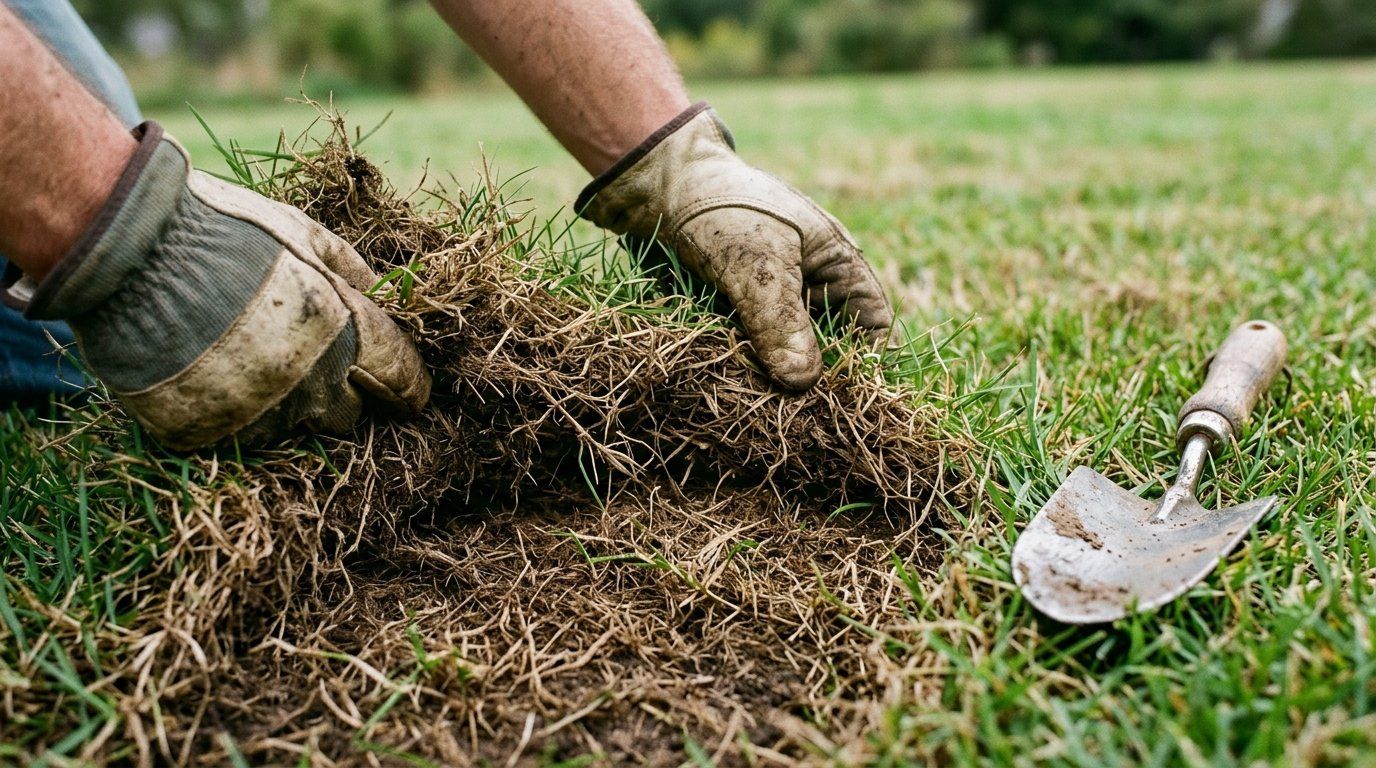
Thatch is the spongy layer of dead grass sitting between your green blades and the soil. A thin layer helps your lawn. Once it gets too thick, though, it turns into a hiding place for fungus and insects, and it blocks the water and fertilizer you are paying for.
If your yard feels soft underfoot or browns out even when you water it, thatch is worth ruling out first. Here is how to check, and what actually fixes it.
What Lawn Thatch Actually Is
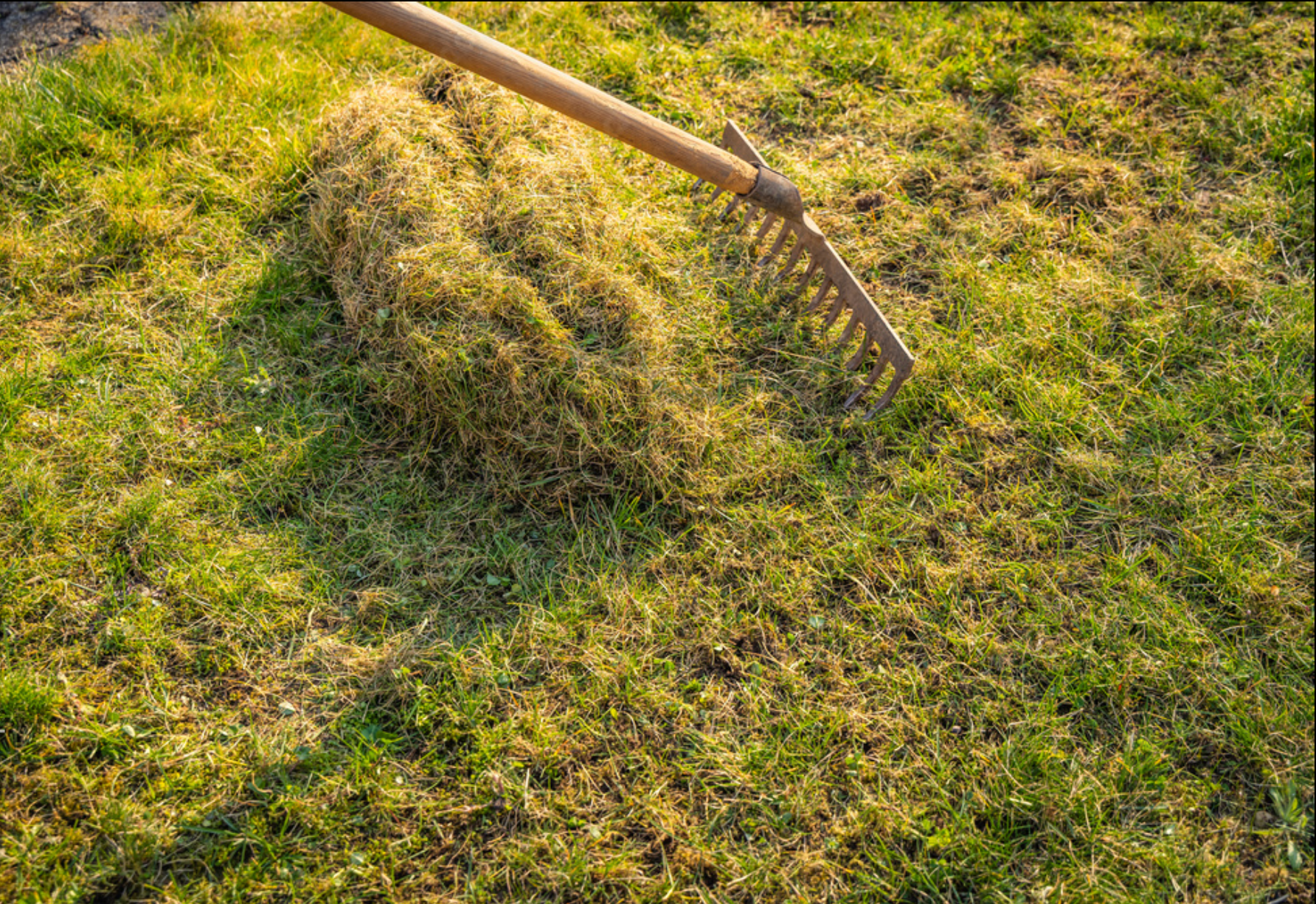
Thatch is a mat of living and dead grass stems, roots, and debris that builds up right above the soil. According to SDSU Extension, it is considered excessive in home lawns once it passes half an inch thick, and that is the line where problems start.
Below half an inch, thatch holds a little moisture and cushions the soil. Above it, your grass roots start growing inside the mat instead of the soil. Shallow roots dry out fast, scorch in July, and catch disease easily. Moss counts here too, since
moss is essentially living thatch and spreads fast in shaded, cool spots.
Why Billings Lawns Build Thatch So Fast
Billings lawns build thatch quickly because heavy clay soil and wide daily temperature swings slow down decomposition. Dead material piles up faster than soil microbes can break it down.
Here is how local conditions work against you:
| Local condition | What it does to thatch |
|---|---|
| Clay-heavy soil | Compacts easily, which slows the microbes that digest dead grass |
| Hot days, cool nights | Stresses turf, so it sheds more dead material than healthy grass |
| Poor drainage | Water sits on the mat instead of soaking into the root zone |
| Heavy quick-release nitrogen | Pushes top growth faster than soil life can keep up with |
Since most yards here deal with two or three of these at once, thatch can thicken in just a few seasons.
How Thatch Feeds Lawn Fungus
Thatch is where fungal spores survive between outbreaks, so a thick mat makes disease far more likely. Warm afternoons followed by cool, dewy mornings give those spores exactly the humidity they need.
Two of the worst offenders around here look like this:
| Disease | What you see in the lawn |
|---|---|
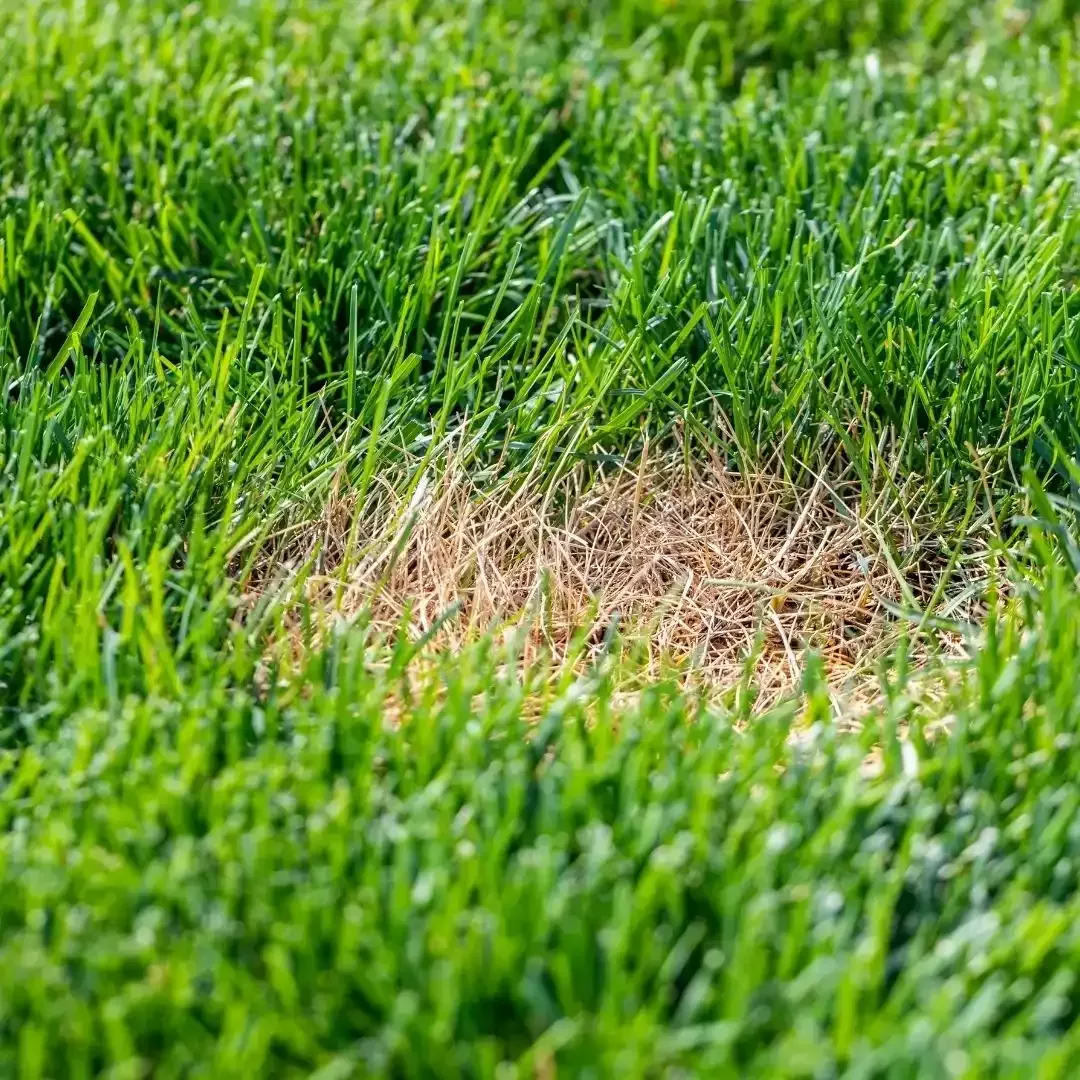
| Fusarium Blight | Light green turf turns reddish brown or tan in a ring or “frog-eye” pattern |
| Leaf Spot (“Melting Out”) | Dark spots with maroon borders across individual grass blades |
Either one can wreck a large section of lawn in four to seven days when conditions line up. That is why thinning the mat matters so much. From there, a
properly timed fungicide treatment handles the spores that are already there. If you are not sure which disease you are looking at, our guide to
spotting and stopping lawn fungus in Billings walks through the differences.
How Thatch Hides Lawn Insects
Thick thatch also shelters insects and shields them from treatment. Billbugs are the clearest local example. They chew through grass stems right at the soil line, and the damage looks almost exactly like drought stress, so homeowners water more while the real problem spreads.
Try this before you turn up the sprinklers:
- Find a brown or thinning patch.
- Grab a handful of the dead grass.
- Pull straight up.
- If it peels away easily, like lifting carpet, you have insect damage.
- If it holds firm, water or thatch is the likelier cause.
Because the mat gives these pests both food and cover,
lawn insect treatments work much better once the layer is opened up.
Signs of Too Much Thatch in Your Yard
Watch for these, especially in late summer and early fall:
- The lawn feels spongy or bouncy underfoot, even when the soil is dry
- Water beads up or runs off instead of soaking in
- Brown patches show up in hot weather despite regular watering
- Footprints stay visible longer than they used to
- Fertilizer stops making much of a difference
- Moss is spreading in the shadier sections
One sign is worth a closer look. Two or more usually means you are past that half-inch mark.
Dethatching and Aeration Compared
These are two different jobs, and most Billings yards benefit more from aeration than from dethatching.
| Service | What it does | Who handles it |
|---|---|---|
| Dethatching | Strips the mat out with a power rake or thatching machine | You can rent a machine for a few hours, or hire a company that offers it |
| Core aeration | Pulls small plugs of soil out of the ground | Green Magic handles this as part of regular service |
Dethatching is hard work. Plan on three or four hours for an average yard, mow about a third shorter than usual first, and only do it when the grass is dry. Wet turf turns into a mess fast.
Core aeration takes a gentler route to the same result. Pulling plugs brings soil microbes up to the surface, and those microbes break the thatch down naturally over time. Aeration also relieves compaction, which is the root cause behind most thatch buildup in clay soil.
The Best Time to Handle Thatch in Billings
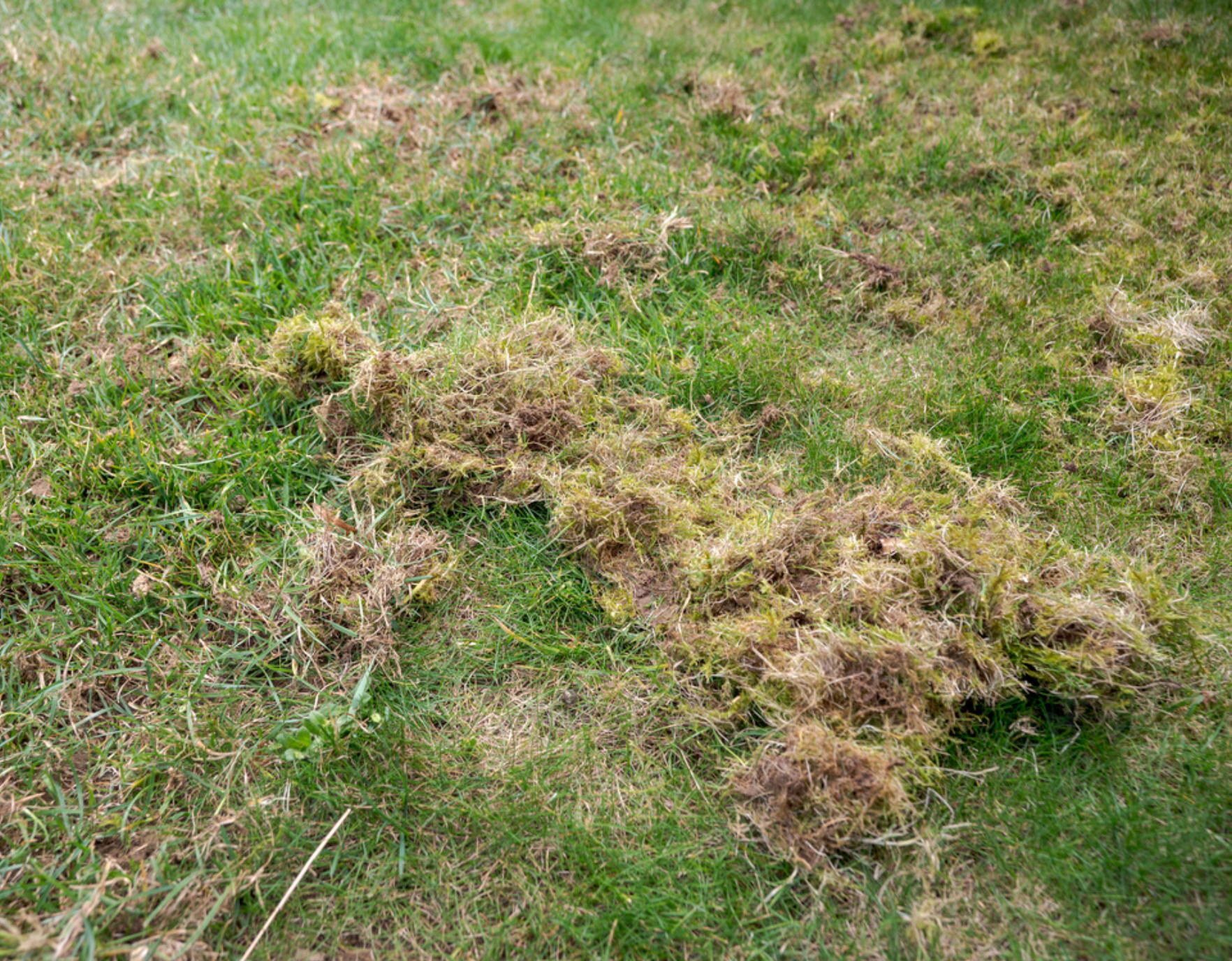
Early fall is the best window, so September and October are ideal. Summer heat has passed by then, and your grass still has enough growing time to fill in before the ground freezes.
Spring works as a backup, but recovery competes with weed pressure and early heat, so results come slower. If you can wait for fall, your lawn will look better next April for it.
Fitting Thatch Work Into Your Lawn Program
Thatch control holds up best as part of a full-season plan rather than a one-time job. Our 5-step lawn care program schedules aeration alongside feeding, weed control, and pest treatment so each step supports the next.
Two examples show why sequence matters:
- Organic and slow-release fertilizers feed soil microbes directly, and a stronger microbe population breaks down dead grass faster. That slows future buildup on its own.
- Pre-emergent weed control works far better on an aerated lawn, since the product reaches soil instead of sitting on a mat and washing away.
Each season of good soil care leaves you less thatch to deal with the next one.
FAQs About Lawn Thatch Management
How thick does thatch have to be before it causes trouble?
Anything over about half an inch. At that point roots grow in the mat instead of the soil, and you start seeing spongy turf and poor drainage.
Can I dethatch my lawn myself?
Yes, though it is physical work. Rental machines run a few hours and cost roughly $30 to $65. Timing and mowing height matter more than most people expect, so read up before you start.
Will aeration alone fix a thatch problem?
Often, yes. Aeration brings microbes to the surface to break the mat down gradually, and it fixes the compaction that caused the buildup. Very heavy mats may still need mechanical removal first.
How often should this be done?
Most lawns here benefit from annual aeration. Mechanical dethatching is a less frequent job, usually every three to five years depending on your grass and soil.
Does thatch really affect fertilizer results?
Yes, and it is one of the most common reasons feeding seems to stop working. The mat blocks the product from ever reaching the root zone.
Schedule Your Lawn Evaluation
Not sure whether you are dealing with thatch, fungus, insects, or all three? Call
Green Magic at
(406) 259-6823. We will check your soil, look at what is actually causing the damage, and tell you what your Billings lawn needs before winter sets in.
Share This Article
Recent Blog Posts