How Fall Lawn Prep Decides Your Spring Weed Problem in Billings
Pre-emergent weed control in Billings works best when you start the groundwork in fall, not next spring. The soil health, thatch level, and weed pressure you handle right now will decide how well your spring barrier holds up.
October gives you cooling soil, shorter days, and the last real window to prep your lawn before winter. If you skip that work, you will likely fight crabgrass and broadleaf weeds all over again by May. A little planning now saves you a lot of frustration later.

Why Fall Work Shapes Spring Weed Control
Fall sets the stage because weeds do not germinate on a calendar date. They respond to soil temperature. Crabgrass seed starts sprouting once the 24-hour mean soil temperature sits near 55 degrees Fahrenheit for three or four days in a row, according to NC State Extension. Apply your pre-emergent even a week late and the seed has already rooted, so the product cannot do its job.
Billings sits on the high plains, where spring weather swings hard from year to year. One season brings a late frost, the next brings an early warm spell, and the germination window shifts by weeks. Meanwhile, your lawn's root depth, turf density, and thatch level all get locked in during fall. Those three things change how well a spring barrier performs.
The Thatch and Compaction Connection
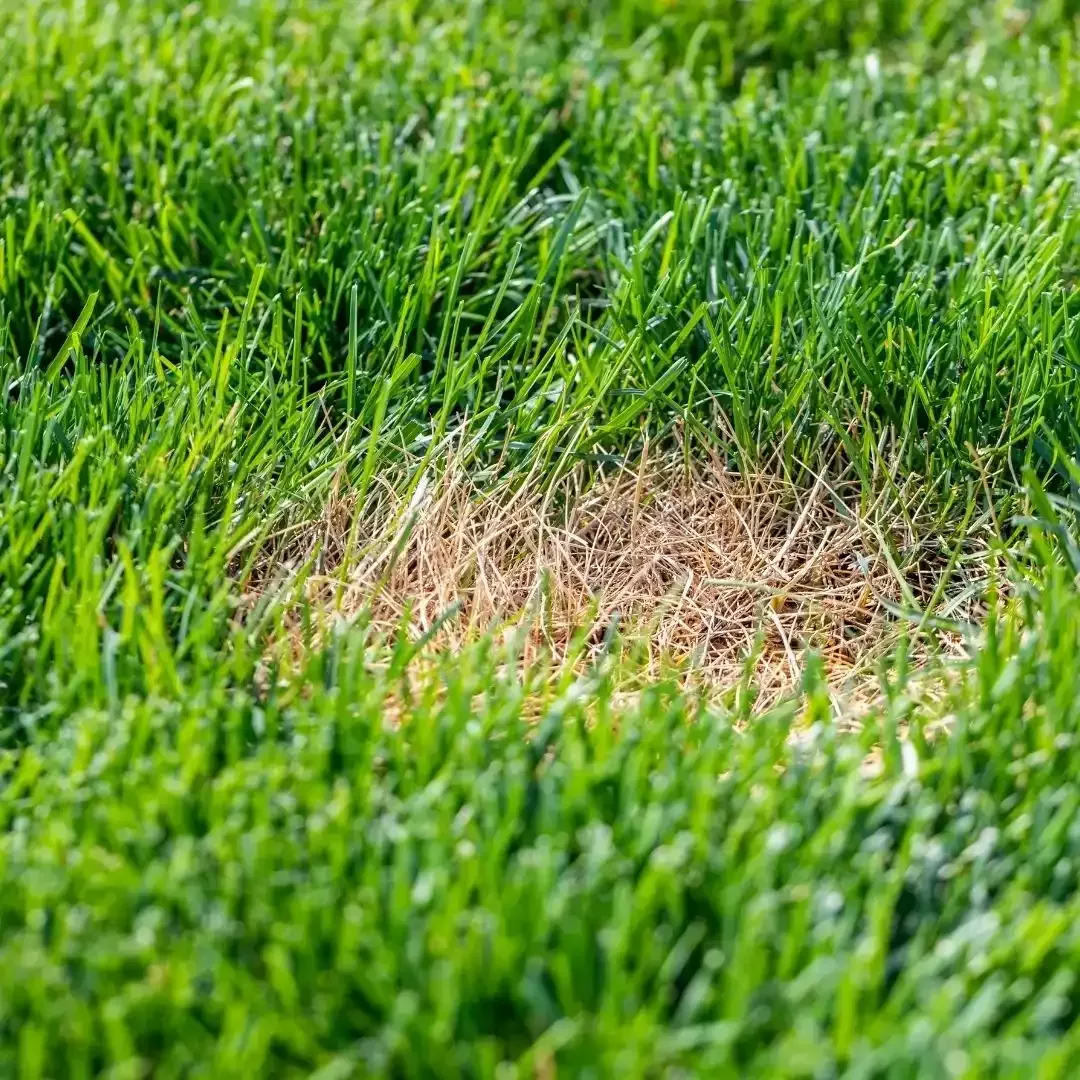
Thick thatch and compacted soil give weed seeds an easy place to land. Thatch forms a spongy layer that blocks water and nutrients from reaching roots. Compacted soil squeezes out the air your roots need. Together, they leave thin spots, and thin spots are exactly where crabgrass moves in.
That is why fall is the right time for core aeration and other soil work. When you fix the structure before winter, your turf comes back thicker in spring. Your pre-emergent then has dense grass backing it up instead of bare, hard ground waiting to be invaded.
Billings Weed Rules You Should Know
The City of Billings treats tall vegetation as a nuisance once it passes 12 inches. Code Enforcement runs nuisance weed season from May 1 through September 30, and after a notice you get about 10 days to bring the yard into compliance. If nothing changes, the city can cut the property and bill you for the work plus administrative costs.
That season has closed for 2026, so you are not at risk of a notice right now. Still, fall cleanup matters. Overgrown ground heading into winter lets aggressive invaders settle in. Canada thistle, field bindweed, and leafy spurge are all Priority 2B noxious weeds in Montana, which means they are already widespread here and tough to push back once they take hold.
Your Fall Lawn Checklist
Use the rest of October to set your lawn up for a cleaner spring. Here is what matters most before the ground freezes.
| Fall Task | Why It Pays Off Next Spring |
|---|---|
| Mow tall weeds down | Stops seed heads from spreading more weeds next year |
| Check for spongy or thin turf | Flags thatch and compaction while you can still treat them |
| Mark problem patches | Tells your technician exactly where to focus spring treatment |
| Ease off late-season watering | Builds deeper roots instead of weak, shallow ones |
| Plan timing by soil temperature | Keeps your application accurate when spring weather swings |
That fourth one trips up a lot of homeowners. If you are not sure how much is too much this time of year, our grass watering tips walk through timing and depth for local soil.
Why Soil Temperature Beats the Calendar
Soil temperature tells you when to apply, while the calendar only guesses. That is why your pre-emergent application should be scheduled around soil readings each spring rather than a fixed date.
This precision avoids two expensive mistakes. Go too early and the product starts breaking down before the seed ever wakes up. Go too late, and you have already missed the window. Once you understand that, it also makes sense why some springs call for an earlier visit than others.
Building a Lawn That Fights Weeds for You
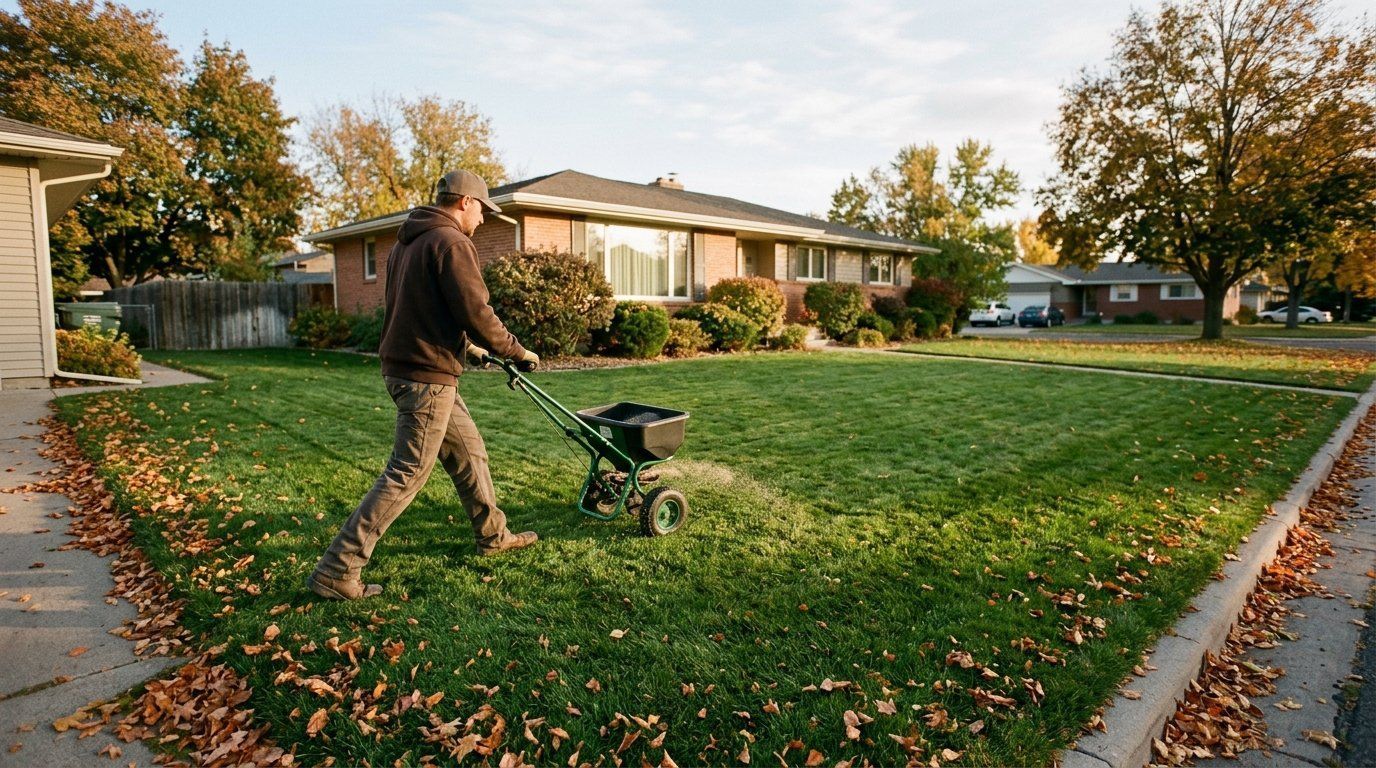
Weed control works best as one piece of a full program, not a one-time spray. Fertility, soil biology, and smart watering all shrink the openings weeds need, which is a big reason we group it with the other core services every Billings homeowner should consider.
Coverage matters too. Weeds in this area do not stop at the edge of your turf, so we treat lawn areas, rock beds, and cement edges rather than just the visible grass. Pair a well-timed barrier with thick turf and clean edges, and weeds run out of places to hide.
FAQs About Pre-Emergent Weed Control
When should pre-emergent be applied in Billings?
In early spring, once soil temperature approaches the 50 to 55 degree range where crabgrass germinates. The exact week shifts each year, so timing follows soil readings rather than a set date.
Does fall lawn care really affect spring weed control?
Yes. Thatch, compaction, and weak turf heading into winter create thin spots, and weeds take advantage of those spots the following spring. Fall prep is part of prevention.
What happens if I let my lawn get overgrown?
During weed season, the City of Billings can issue a nuisance notice. If the city ends up clearing the property, you get billed for the service cost plus administrative costs.
Are all weeds here treatable with standard products?
No. Canada thistle, field bindweed, and leafy spurge often shrug off standard herbicides and need a targeted approach.
Can I just apply pre-emergent myself on a calendar date?
You can, but calendar timing often misses the actual soil temperature window. Billings springs vary enough year to year that a fixed date is a gamble.
Get Your Billings Lawn Ready for Spring
Ready to set your lawn up for a weed-free spring? Call
Green Magic at
(406) 259-6823 or reach out for a free estimate, and we will build a plan that starts this fall and pays off next season.
Share This Article
Recent Blog Posts