Why Your Billings Lawn Looks Healthy in May but Struggles in July
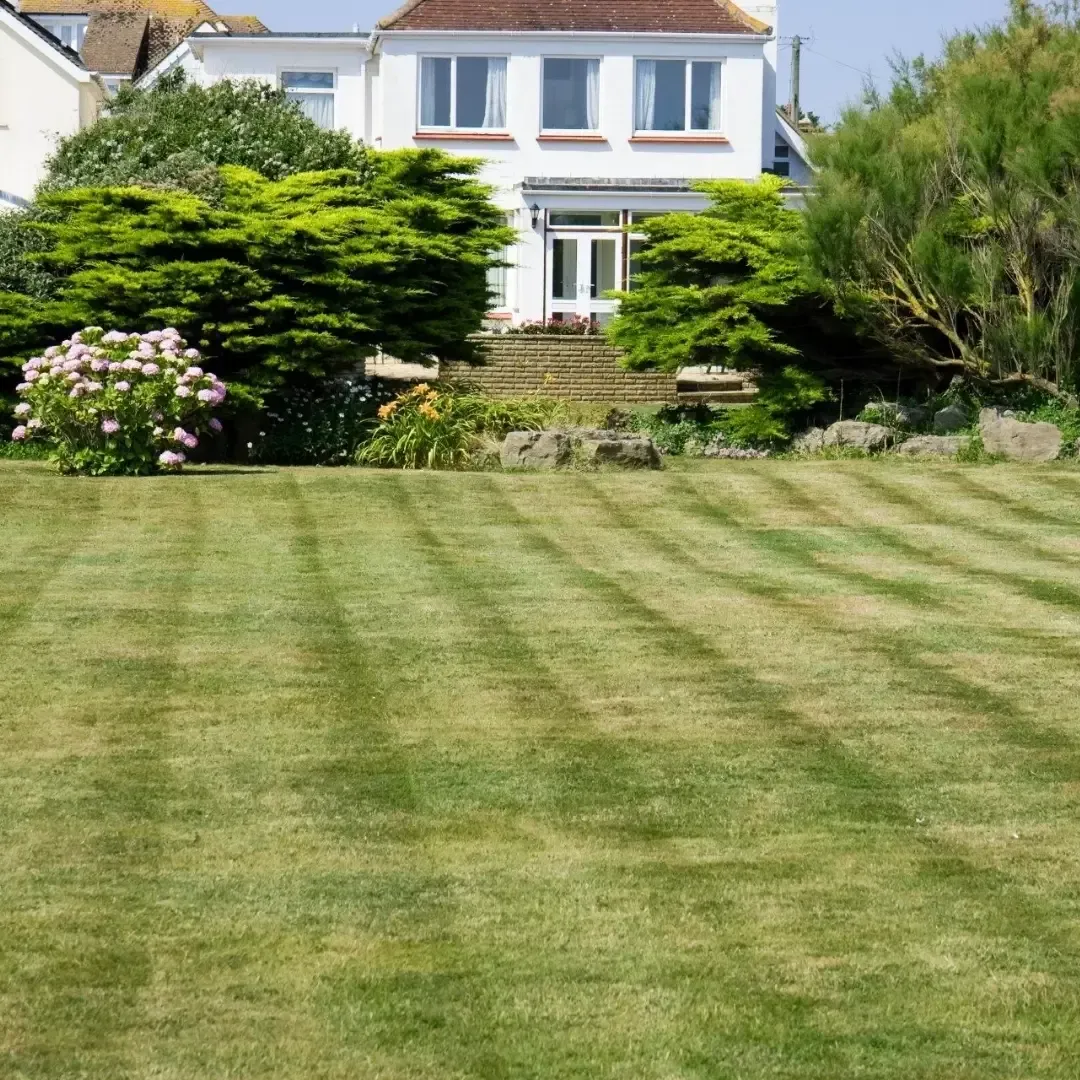
Your lawn can look green in May while disease, compacted soil, weeds, and tree pests are already setting up summer problems. The decisions you make in spring often determine whether your property stays healthy through July or develops dead patches, damaged branches, weed violations, and expensive repair needs.
Billings weather can shift quickly from cool, damp spring conditions to heat, wind, and drought stress. Often, summer simply exposes damage that began weeks earlier.
That is why effective lawn care services in Billings, MT should focus on diagnosis and timing, not applying the same fertilizer, fungicide, or herbicide to every yard.
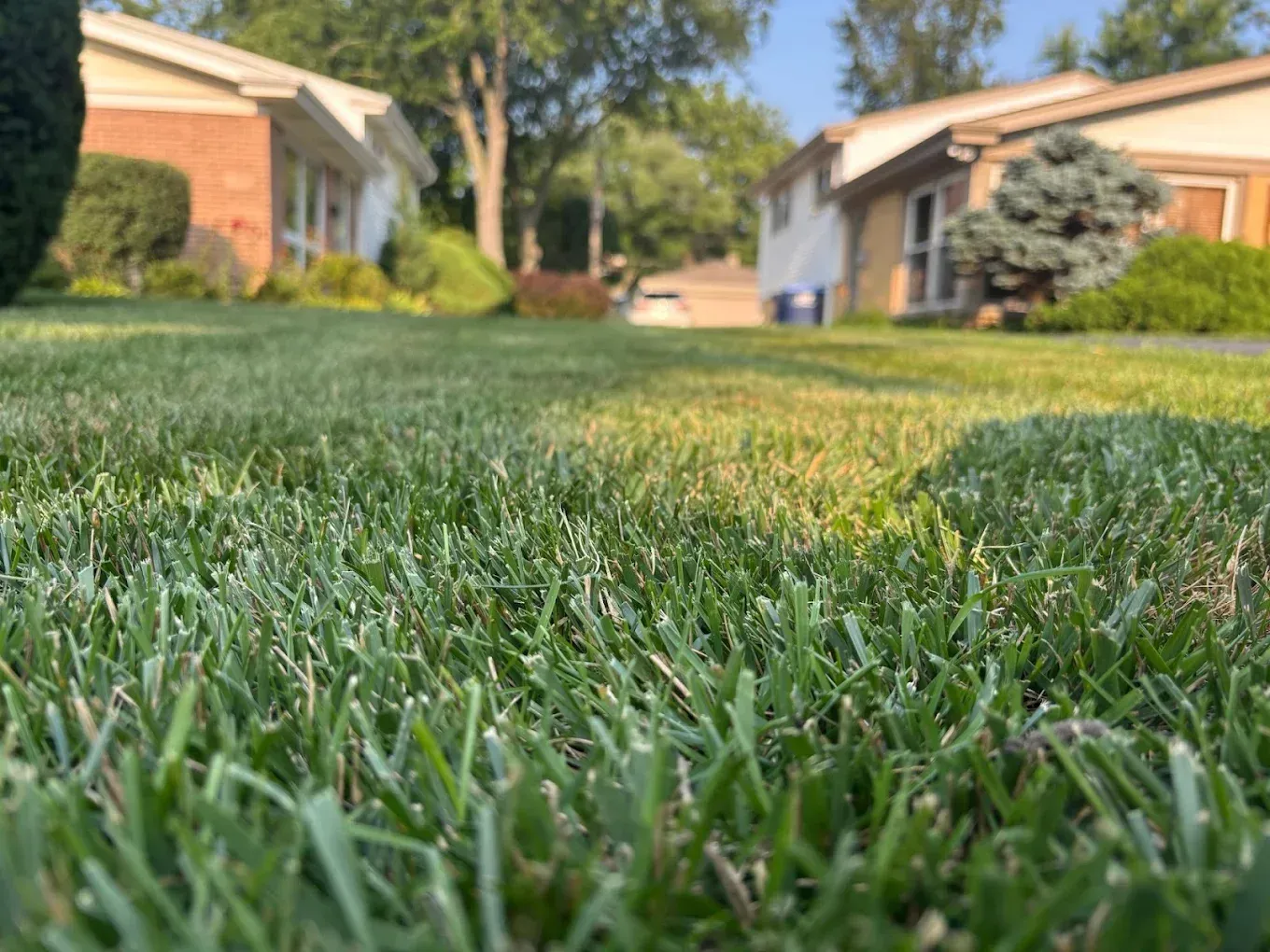
Key Takeaways: Hidden Spring Lawn and Tree Threats in Billings
- Necrotic Ring Spot can weaken grass roots before you see its circular summer patches.
- Excessive early-spring nitrogen can increase pressure from certain lawn diseases.
- Tree symptoms should be diagnosed before choosing sprays, injections, pruning, or other treatments.
- Billings requires nuisance vegetation to remain at 12 inches or less during the 2026 enforcement season.
- Preventive spring care is usually easier and less costly than repairing widespread summer damage.
Hidden Spring Damage Often Appears in Summer
Many lawn and tree problems are easiest to manage before the damage becomes obvious. In spring, a lawn may stay green because temperatures are mild and moisture is available, even when its root system is already weakened.
When July brings heat, dry soil, and greater water demand, unhealthy roots can no longer support the grass above them. Rather than causing the problem, the heat actually reveals it.
Watch for early warning signs such as:
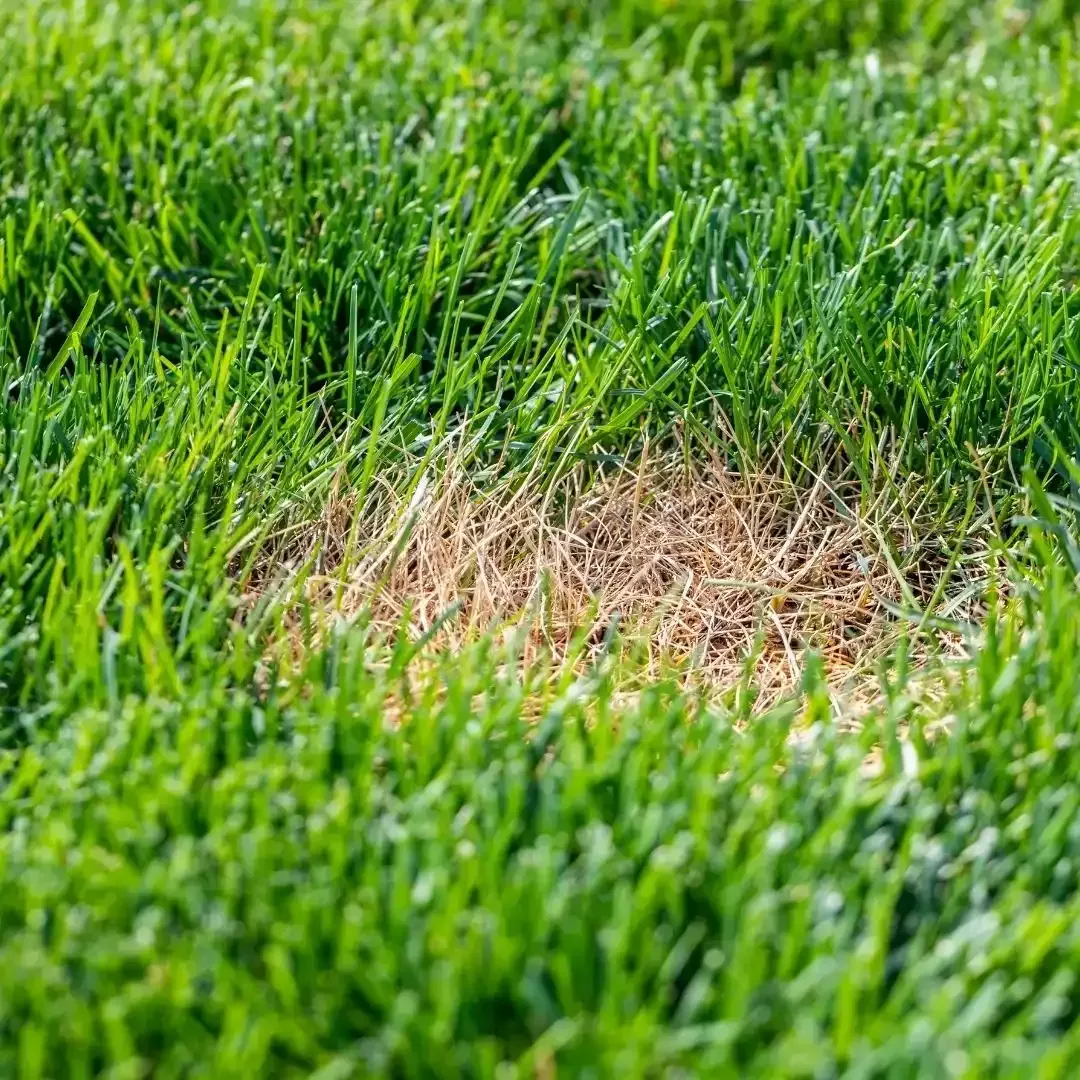
- Circular or ring-shaped lawn patches
- Purple, brown, or black spots on grass blades
- Thin turf that does not improve after feeding
- Water pooling or running off compacted soil
- Repeated brown areas near sidewalks and driveways
- Sticky leaves, webbing, discolored needles, or branch dieback on trees
Necrotic Ring Spot Creates Summer “Doughnut Rings”
Necrotic Ring Spot is a perennial fungal disease that attacks the roots and crowns of Kentucky bluegrass. It commonly produces circular, doughnut-shaped, or “frog-eye” patches that become easier to see during summer stress.
Colorado State University Extension explains that the
fungus actively colonizes roots when soil temperatures are between 65°F and 80°F. Symptoms commonly intensify in July or August because damaged roots struggle to move enough water and nutrients during hot or dry weather.
What You Should Do
Do not assume every brown circle is Necrotic Ring Spot. Irrigation gaps, pet damage, fertilizer injury, fairy ring, summer patch, and insects can create similar patterns.
A practical plan may include:
- Confirming the likely cause. Look at the patch pattern, grass blades, roots, soil moisture, and sprinkler coverage.
- Correcting irrigation. Avoid keeping the surface constantly wet with frequent, shallow watering.
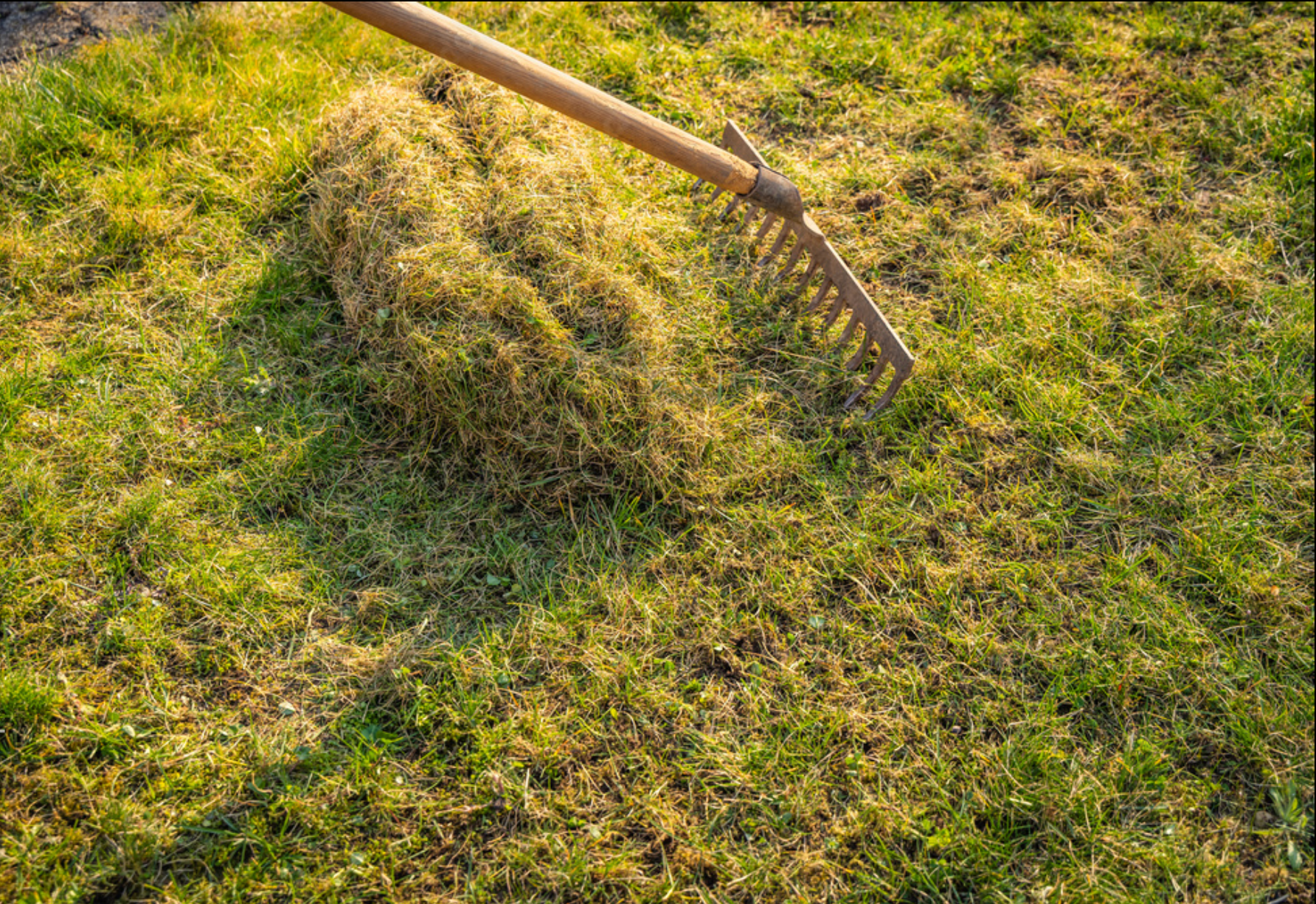
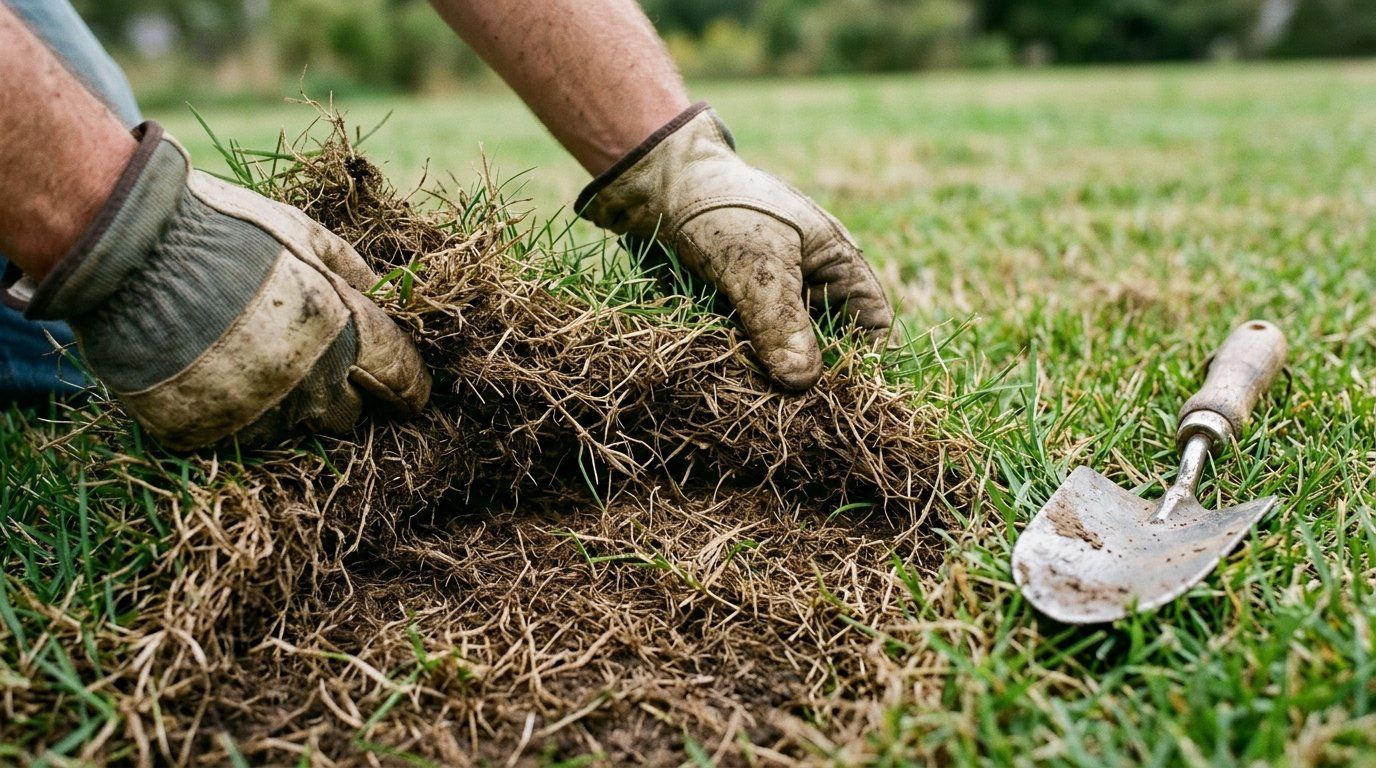
- Reducing compaction and thatch. Properly timed core aeration can improve drainage, airflow, and water movement.
- Avoiding excessive spring nitrogen. Fast growth can increase disease pressure.
- Considering fungicide only when justified. When fungicide is appropriate, preventive applications are generally timed near the beginning of active root colonization (often around 65°F soil temperature at a 2-inch depth) according to the current product label. CSU notes that
control can be inconsistent, so fungicide should be part of a broader management plan rather than treated as a guaranteed cure.
The Wrong Spring Fertilizer Can Make Disease Pressure Worse
A heavy application of quick-release nitrogen can create fast green growth, but it may also leave turf soft and more vulnerable to disease. Your lawn needs the right nutrients at the right rate and time (not just more fertilizer).
Leaf Spot and Melting-Out diseases may begin as small reddish-brown, purple, or black spots on grass blades. As disease progresses into the crowns and roots, affected areas can become thin, weak, and brown.
Penn State Extension lists excessive early-spring nitrogen, low mowing, and frequent light irrigation among the
conditions that favor these diseases. It recommends moderate spring nitrogen and mowing at an appropriate height instead of forcing rapid growth.
| Risky Habit | Better Approach |
|---|---|
| Applying extra fertilizer for faster color | Feed according to lawn condition and seasonal needs |
| Relying only on fast-release nitrogen | Consider balanced or slow-release nutrition |
| Watering lightly every day | Water deeply enough to reach the root zone when conditions allow |
| Cutting the grass very short | Maintain an appropriate mowing height |
| Treating every brown patch as drought | Check disease, insects, irrigation, and soil conditions first |
Green Magic’s organic fertilizer options are designed to support steadier turf growth.
Fertilizer alone, however, will not remove established weeds, correct poor irrigation coverage, or cure every lawn disease.
Pine and Ash Trees Need Early, Diagnosis-First Care
Trees with thinning needles, sticky leaves, webbing, bark changes, or dying branches should be inspected early. Different problems can look alike but require different solutions.
Pines and other landscape trees can be affected by mites, scale insects, aphids, beetles, fungal disease, drought stress, poor watering, or root damage. Depending on the diagnosis, a tree-care plan might involve:
- Dormant oil
- Targeted foliar treatment
- Trunk-and-branch applications
- Pruning
- Watering corrections
- Nutrition
- Injection when it is appropriate for the pest, tree, and site
Green Magic provides tree insect and fungus treatments for pines, spruce, fruit trees, shade trees, and other landscape plants.
The treatment should match the tree species, symptoms, pest life cycle, and local conditions rather than rely on a one-size-fits-all spray.
What Billings Homeowners Should Know About Emerald Ash Borer
As of 2026, Montana officials continue to report that Emerald Ash Borer has not been detected in the state. It remains a serious threat because it has spread into nearby regions and can travel long distances in firewood and nursery material.
Watch ash trees for:
- Unexplained thinning in the canopy
- D-shaped exit holes
- Increased woodpecker activity
- New shoots growing from the lower trunk
- Splitting bark or winding galleries beneath it
Do not assume every declining ash has Emerald Ash Borer. Drought, root injury, disease, and other insects can produce similar decline.
Billings Weed Violations Can Become Expensive
Billings instructs property owners to have nuisance vegetation cut by April 30. The city’s 2026 enforcement season runs from May 1 through September 30, during which weeds, grasses, noxious weeds, and untended vegetation must be kept at 12 inches or less.
According to the city’s current 2026 nuisance weed brochure, failure to comply may result in city-arranged removal plus:
- A 25% administrative charge
- A $25 penalty for the first city cutting
- A $50 penalty for the second cutting
- A $75 penalty for the third and later cuttings in the calendar year
- A property lien or special assessment if charges are not paid
- A possible municipal infraction and additional civil penalty
The brochure also states that
an owner generally receives 10 days from the notice date to correct the first violation. After the city has cut the same parcel during the preceding 6 months, it may cut again without sending another notice.
Prevent Weeds Before Peak Summer Stress
Correctly timed pre-emergent treatments can prevent targeted annual weeds from successfully emerging and establishing. They do not remove mature dandelions, thistles, or other established perennial weeds.
Post-emergent weed control also works best when the product, weed-growth stage, temperature, and turf condition are appropriate. During hot, dry periods, stressed weeds may not respond well, and careless applications can injure desirable grass. Instead of the idea that “more is better,” the label must guide every application.
A Practical Spring-to-Summer Plan
A proactive plan means identifying your property’s likely risks and acting when each problem is easiest to manage.
| Season | What to Inspect | Possible Action |
|---|---|---|
| Early spring | Weed history, overwintered insects, tree scale | Pre-emergent or dormant treatment when appropriate |
| Mid-spring | Compaction, previous disease, early leaf spots | Aeration assessment, diagnosis, balanced nutrition |
| Late spring | Irrigation coverage, emerging weeds, tree pests | Sprinkler correction and targeted treatment |
| Early summer | Rings, thinning turf, drought stress | Diagnose before adding fertilizer or fungicide |
| Mid-to-late summer | Heat stress, recurring weeds, tree decline | Adjust watering and treat only under suitable conditions |
For a broader overview, see our guide to the 8 essential lawn care services for Billings homeowners. Before hiring a provider, review how to choose a lawn care company in Billings, MT so you know what questions to ask about diagnosis, timing, communication, and seasonal service options.
Protect Your Lawn and Trees Before Summer Exposes the Damage
You do not need to wait for dead rings, thinning turf, damaged branches, or an ordinance notice. A spring assessment can identify the problems most likely to hurt your property and create a practical plan before Billings heat makes recovery harder.
Green Magic serves Billings, Lockwood, Laurel, and Yellowstone County with lawn fertilization, weed control, aeration, lawn insect care, and tree treatments. Call
(406) 259-6823 to schedule an assessment before small spring problems become expensive summer repairs.

FAQs About Spring Lawn and Tree Threats
When should Necrotic Ring Spot fungicide be applied in Billings?
When fungicide is appropriate, CSU recommends preventive timing when soil reaches about 65°F at a 2-inch depth, near the start of active root colonization. Billings timing varies with weather and site exposure, and the current product label must always be followed.
Does overfertilizing cause lawn disease?
Overfertilizing does not create the pathogen, but excessive early-spring nitrogen can produce tender growth that favors certain diseases. Moderate, appropriately timed nutrition is safer than forcing rapid green-up.
Is every circular brown patch Necrotic Ring Spot?
No. Irrigation gaps, pet damage, fertilizer injury, fairy ring, insects, and summer patch can look similar. Inspect the pattern, roots, soil moisture, and sprinkler coverage before treating.
Has Emerald Ash Borer reached Montana?
As of 2026, Montana DNRC says Emerald Ash Borer has not yet been detected in the state. Homeowners should still monitor ash trees and avoid transporting untreated out-of-state firewood.
What happens if my weeds exceed 12 inches in Billings?
The city can issue a notice and allow time to correct the violation. If it arranges the cutting, you may owe the work cost, a 25% administrative charge, escalating penalties, and possible lien or civil-enforcement costs.
Share This Article
Recent Blog Posts