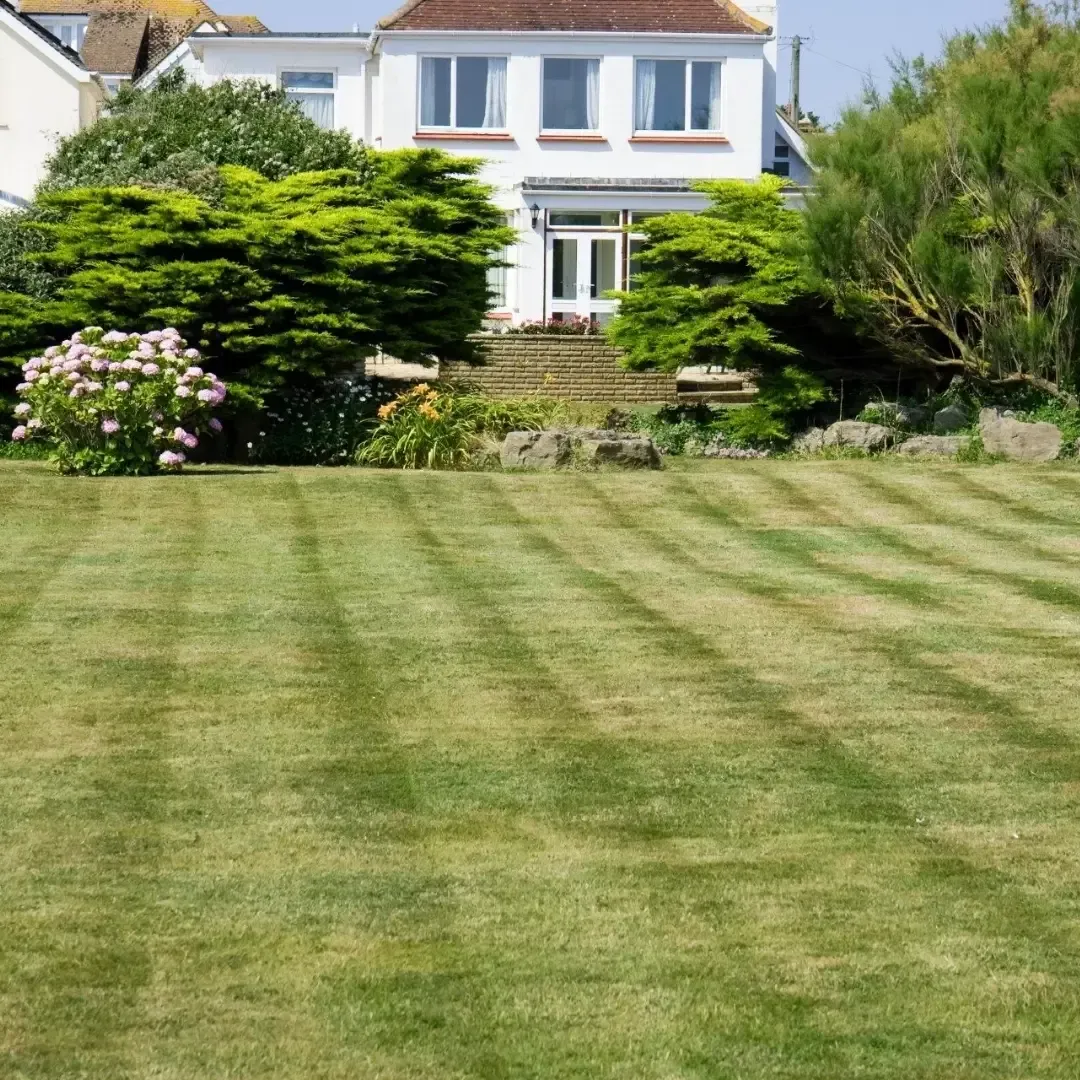
Fall Lawn Fertilizing in Billings: What to Do Before the Ground Freezes
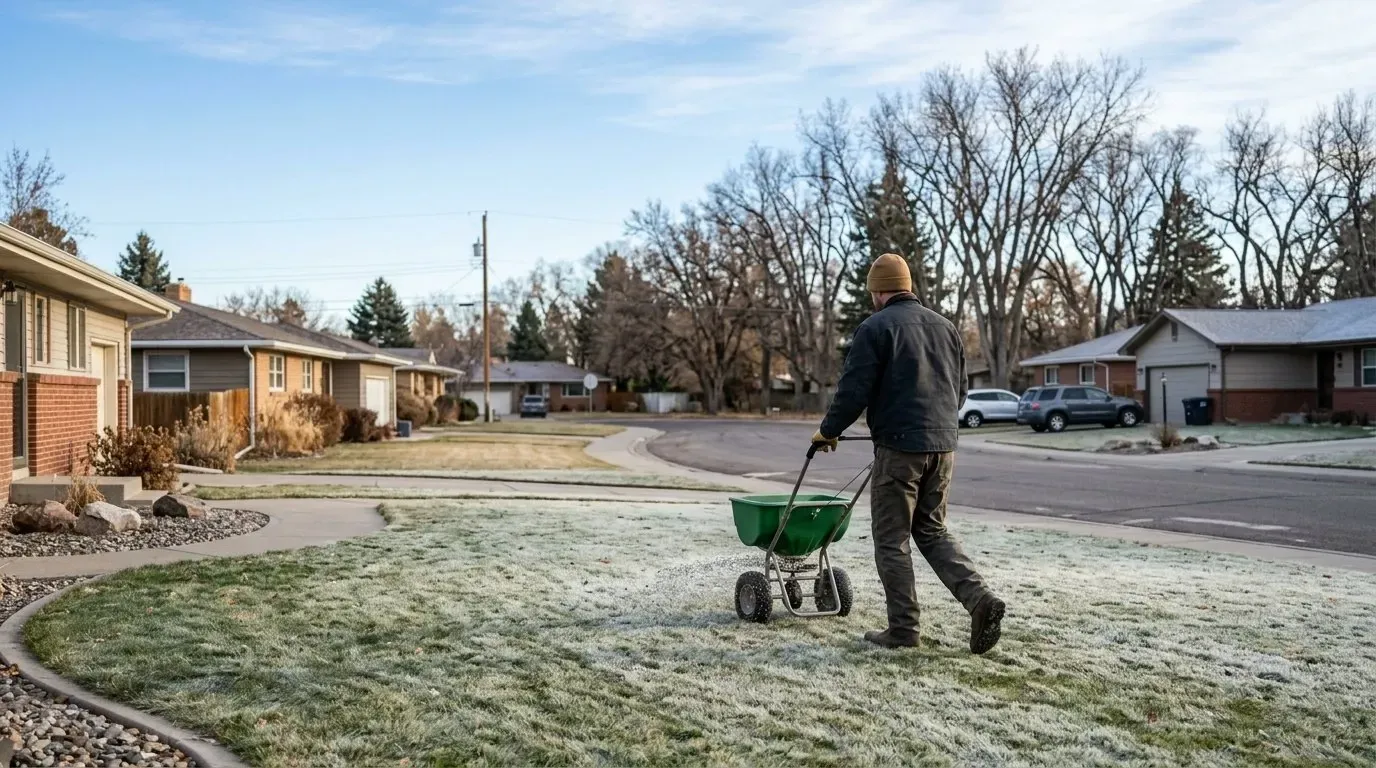
Fall is the most important time of year to feed a Billings lawn. Once temperatures drop, your grass stops growing up and starts growing down, so whatever you put on the ground now goes into roots instead of blades.
Below,
Green Magic walks you through when to apply, what a late-season feeding actually does, and how to tell if your yard needs one this November.
Why Fall Feeding Beats Spring Feeding
Fall feeding works better than spring feeding because cool-season grasses do most of their root building after top growth slows. Your blades may look like they have quit for the year, but the roots underneath keep pulling in nutrients until the soil freezes. That stored energy is what carries your lawn through dormancy and brings it back thick in April.
Billings soil makes this even more important. Our ground runs alkaline and clay-heavy, so water and nutrients move slowly, and roots have to work harder to spread. If your soil is packed down from a summer of foot traffic, a round of
core aeration before you feed helps those nutrients actually reach the root zone instead of sitting on the surface.
When to Fertilize Before Winter in Billings
Apply your last feeding while the ground is still soft enough to take water, which in most years means early to mid-November around Billings, Laurel, and Lockwood. MSU Extension recommends 2 to 4 pounds of actual nitrogen per 1,000 square feet per year, split across two or three applications, with no more than 1.5 pounds going down at one time. Their suggested timing puts the final application around mid-October, so a November feeding is best handled as soon as your schedule allows.
Here is how the window breaks down:
| Timing | What Your Lawn Is Doing | Best Move |
|---|---|---|
| Early to mid October | Top growth slowing, roots very active | Ideal window for the final feeding |
| Early November | Roots still taking in nutrients | Still effective, apply as soon as you can |
| Late November | Soil cooling fast, uptake dropping | Worth doing if the ground is not frozen |
| After the ground freezes | Roots dormant | Wait for spring, product will just run off |
If keeping track of these windows every year sounds like a hassle, that is exactly what a structured
Five-Step Lawn Care Program is for. Each visit is scheduled around local conditions instead of a generic national calendar.
What a Fall Feeding Actually Does
A fall feeding builds root depth and food storage, not surface color. You will not see a dramatic green-up the following week, and that is the point. What you are really buying is a stronger spring.
Specifically, a well-timed fall application:
- Pushes energy into the root system so your grass has reserves to burn during dormancy
- Helps thin or worn turf fill back in before snow sits on it
- Improves how well clay-heavy soil holds and releases moisture
- Reduces the chance of patchy, slow regrowth next spring
- Avoids the sudden flush of tender growth that a heavy quick-release product can trigger right before a freeze
That last point matters more than most homeowners realize. Lush, soft growth heading into winter is more likely to sit wet under snow cover, which is how
lawn fungus problems tend to start. Feeding for roots instead of color keeps that risk down.
Why Slow-Release Feeding Fits Billings Soil
Slow-release and organic products suit our soil because they depend on soil biology to break down, so nutrients become available at a pace roots can actually use. Quick-release synthetics dump everything at once, and in alkaline clay a lot of that gets wasted or pushes growth you do not want in November.
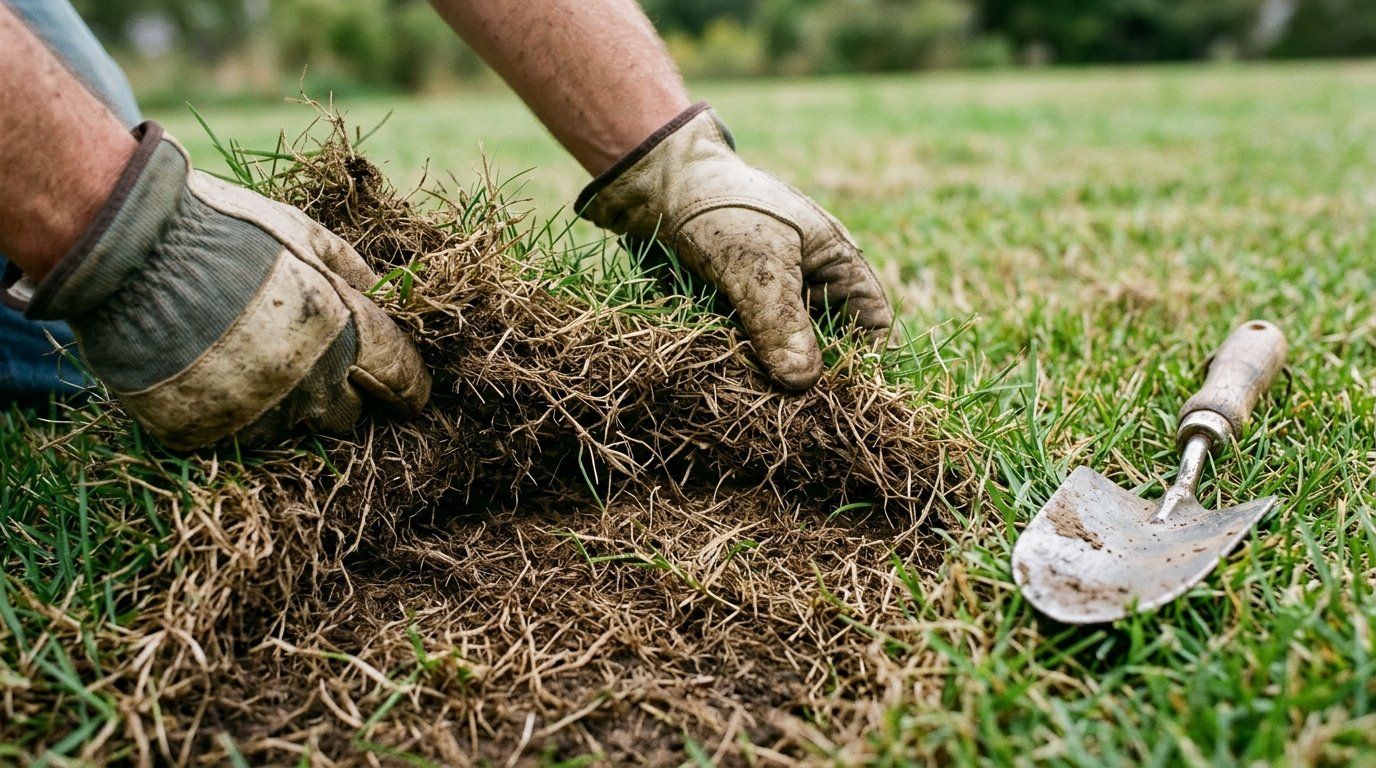
There is a second benefit. As soil microbes stay active, they also help break down the layer of dead material sitting between your grass and the soil. If you have ever noticed a spongy feel underfoot, that is thatch buildup, and healthy soil biology is one of the things that keeps it in check.
Do keep your expectations realistic. Slow-release feeding improves your lawn gradually across seasons rather than overnight, so the lawns that look best in June are usually the ones that got fed in November.
Signs Your Lawn Needs a Fall Feeding
Check for these four signs before the ground freezes:
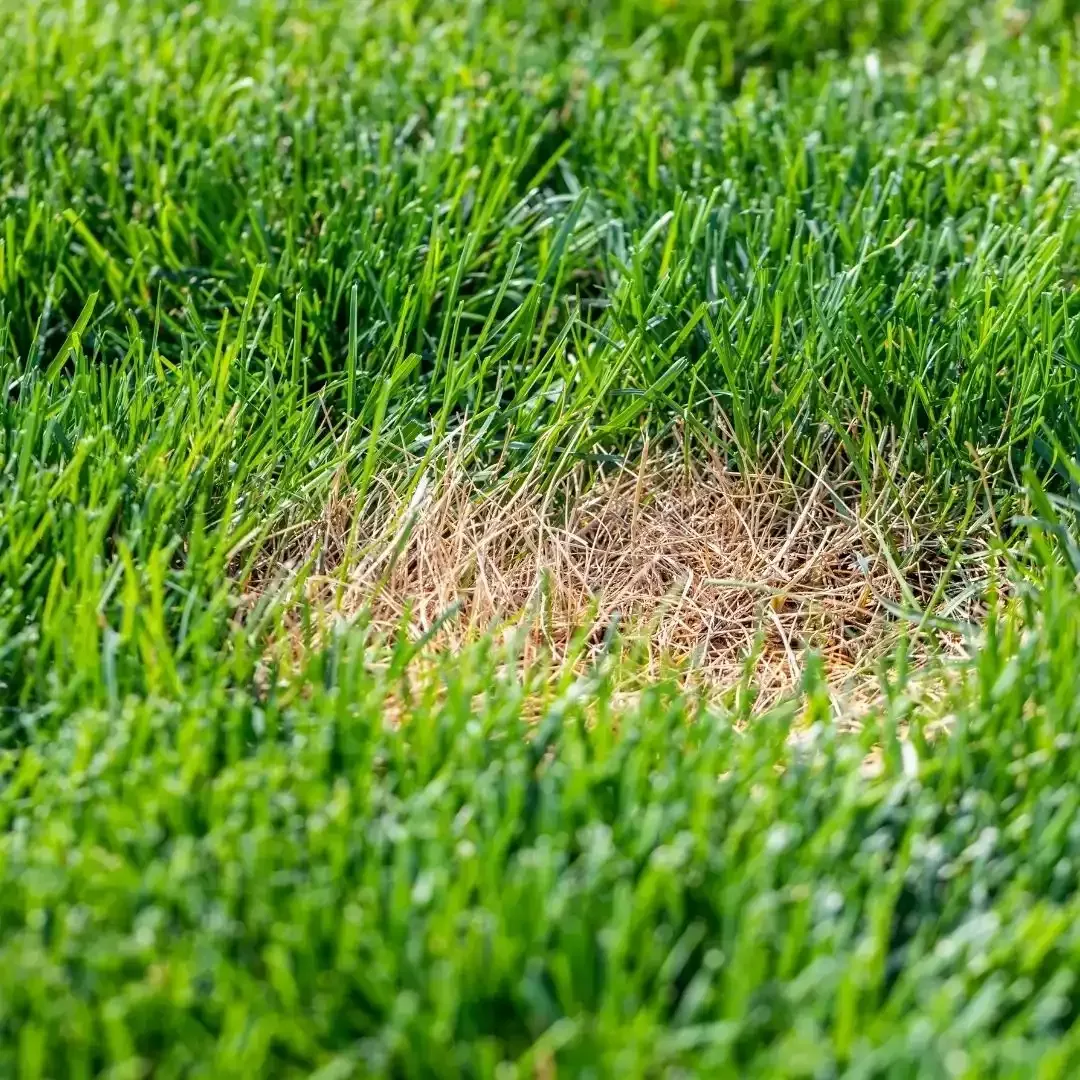
- Uneven Fading: Healthy turf browns out fairly evenly for dormancy. Patchy color usually means uneven nutrient levels.
- Thin Spots Near Driveways and Walkways: High-traffic edges lose density first and will not recover on their own over winter.
- Slow Recovery After Summer: If your lawn never fully bounced back from July heat, it is heading into winter already short on reserves.
- Water that Pools or Drains Slowly: Compacted soil limits what roots can absorb, no matter what you apply.
Thin turf is also an open invitation for weeds next season, because bare soil is where crabgrass and dandelions get established first. If weeds were a problem for you this year, plan on pairing your feeding with a
pre-emergent application in spring. Fertilizer feeds your grass, but it does not stop weeds on its own.
How to Get the Most Out of a Late-Season Application
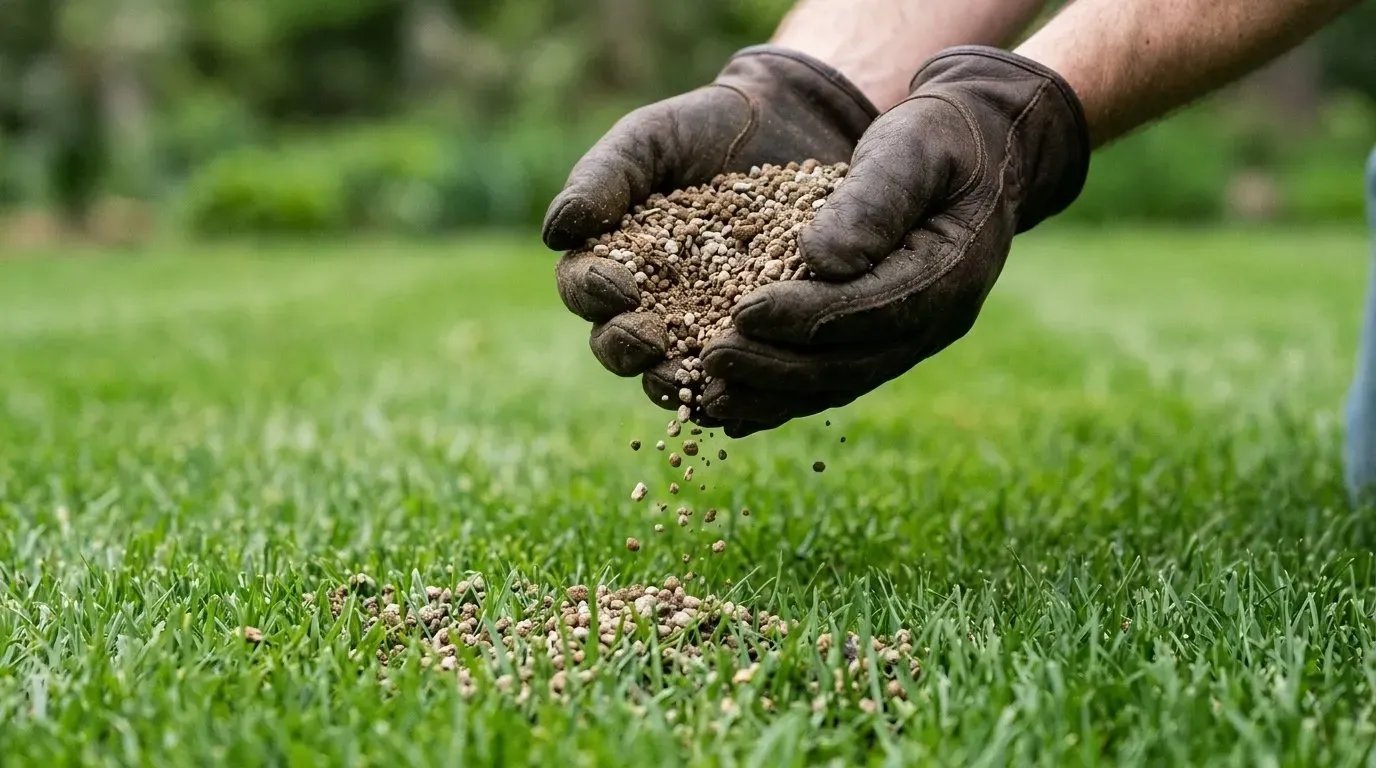
Follow these steps so your application does not go to waste:
- Mow first, at your normal height. A clean, even surface helps product reach the soil.
- Rake or mulch heavy leaf cover. A thick mat of leaves blocks the application and smothers grass underneath.
- Apply when no hard freeze is forecast for a few days. You want the product watered in while the soil can still absorb it.
- Water it in lightly. Granular products need moisture to start working, so a short cycle or a light rain does the job.
- Stay off wet, frosty turf. Walking on frozen blades breaks them, and the damage shows up in spring.
FAQs About Fall Lawn Fertilizing
Is it too late to fertilize my lawn in November?
Not if the ground is still workable. Roots keep taking in nutrients until the soil freezes, so an early November application still helps. The later in the month you go, the smaller the benefit.
Will I see my lawn green up right away?
No. Slow-release products work gradually, so expect the results to show up next spring as thicker, faster-greening turf rather than as instant color now.
Can I fertilize if my pets are outside a lot?
Yes. Granular organic products are made without the harsh herbicide additives found in some conventional blends. We still recommend watering the product in and keeping pets off the lawn during application.
Does fertilizer handle weeds too?
No. Feeding builds turf density, which helps crowd weeds out over time, but actual weed prevention needs its own targeted treatment.
How does Billings clay soil change what I should use?
Alkaline, clay-heavy soil causes fast-acting products to release more quickly than your grass can use. Slower-releasing options work with the soil instead, which gives you steadier uptake and less waste.
Get Your Lawn Winter-Ready With Green Magic
Give us a call, and we will tell you exactly what your lawn needs before the ground freezes. Our team has served Billings for more than 38 years, and we build each fall plan around your actual turf, soil, and problem areas instead of a one-size-fits-all script.
Call
(406) 259-6823 or ask us about an
organic fertilizer plan built for your yard.
Share This Article
Recent Blog Posts